History of Rock
Orders of Biz
- Reading: Chapter 3
- Quiz/Essay 1 on MONDAY 9/14!
- In person!
- We will hold time on Friday for study/review
- If you miss it, you are penalized 50% of your grade
- If you are absent, let me know ASAP via email.
Quiz 1/Essay 1 Review
- Quiz Info:
- 15 questions (25 points/10% of grade)
- True/False, Multiple Choice, Multi-select (partial credit answers), Short answer
- No open notes
- Will be curved and the curve is only set to HELP you!
Quiz 1/Essay 1 Review
- Essay Topic (10 points/10% of grade)
- 2-3 paragraphs
- Take a favorite song or one that you're currently into and explain, with examples, how you feel it directly relates to TWO topics we've covered in class so far. Each topic has its own paragraph!
- A "topic" can be a musical element, artist, technology, industry component, cultural discussion, and so on.
- With examples = be specific!
- We will discuss and share these findings next week! (optional)
Quiz 1/Essay 1 Review
- Bring a PEN/PENCIL and your BLUEBOOK!
- Questions?!
- LuliAria!
Chicago Blues – 1940s–1950s
- Born from Delta Blues – similar structures and style
- Amplification, full bands
- Instrumentation grows from acoustic guitar to electric, drums, keys, heavier sound
- Storytelling and experience still central, with a change in setting (urban vs. rural)
- Swing – blues and jazz similarities
Chicago Blues – 1940s–1950s
- Rural to urban – "Industrial music for an industrial city"
- Muddy Waters, Howlin' Wolf, Buddy Guy
- Direct influence on rock and roll – from the origins to British Invasion to present day
Muddy Waters – Hoochie Coochie Man (1954)
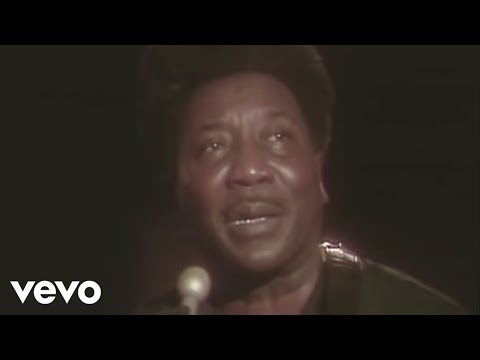
Howlin' Wolf
- Born in White Station, MS in 1910
- Protégé of Charley Patton; noted in the Delta Blues scene
- Recruited by A&R Ike Turner to record at Sun Records in Memphis, which led to eventual releases on Chess Records
Howlin' Wolf – Smokestack Lightnin' (1959)
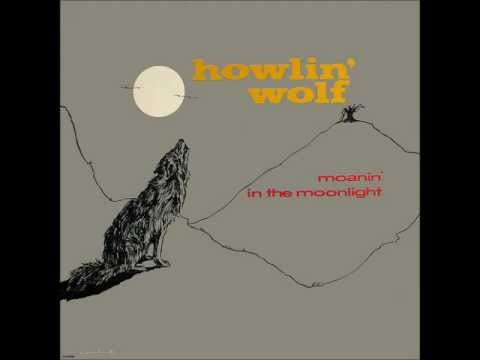
Howlin' Wolf
- Chicago Blues had a huge influence on the later British Invasion
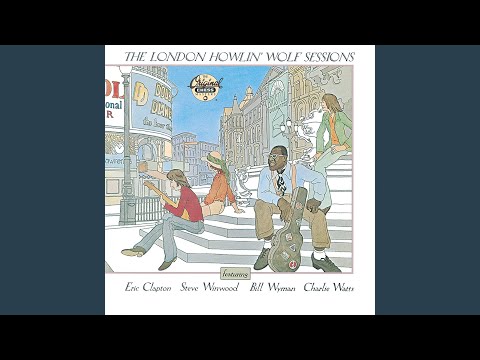
- Some Chicago artists teamed up with bigger rock stars – Howlin' Wolf: London Sessions (feat. Eric Clapton, Steve Winwood, Bill Wyman, Charlie Watts)
- John Lee Hooker with Canned Heat
Howlin' Wolf – London Sessions
Regional Radio – 1950s
- Radio, like all media, driven by reach, listener numbers, and advertisements
- National audience for pop music begins shifting to TV
- Stations like WDIA in Memphis began programming to Black audiences
- Informed not just music, but which businesses were welcoming and advertised
- Culture, music, and media
Labels – 1950s
- Sun Records in Memphis
- Rocket 88 w/Ike Turner; Ike Turner's ties to Delta Blues
- Went on to release Elvis Presley, Roy Orbison, Johnny Cash, Jerry Lee Lewis, and more
- Chess Records in Chicago
- Brought the sound of Chicago Blues
- Etta James, Howlin' Wolf, Muddy Waters
Labels – 1950s
- King Records in Cincinnati
- Specialized in country ("hillbilly") music; subsidiary labels specializing in R&B
- Country artists covering R&B songs and vice versa
- Crossover led to wider exposure and the origins of "rockabilly" music
- Atlantic Records in New York
- Ruth Brown, Big Joe Turner, Ray Charles
- Blend of blues and big band pop
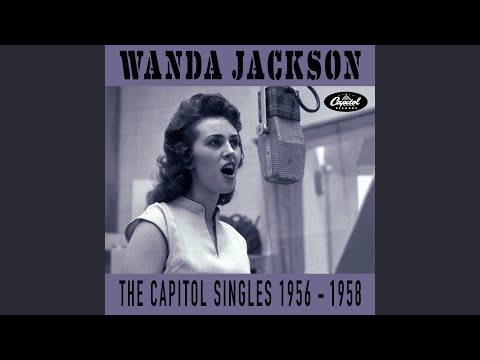
Wanda Jackson – I Gotta Know (1956)
Rhythm and Blues – 1920s
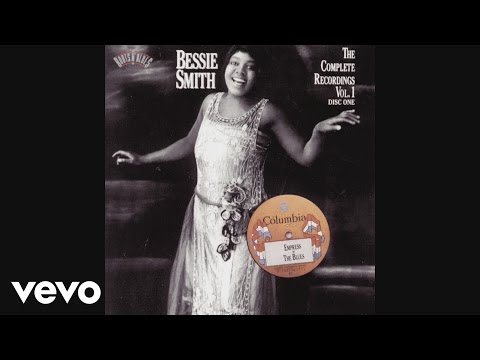
- Bessie Smith (1895–1937) – "Empress of the Blues"
- One of the first African American stars
- Helped establish "race records" – 78s marketed towards African Americans
- Brought blues to Harlem
- Down Hearted Blues sold 750,000 copies in its first month
Bessie Smith – Down Hearted Blues (1923)
Rhythm and Blues – 1950s
- Influence of Gospel music
- Later seen as a "Dangerous Influence"
- Co-opting by white musicians – producing a "safer" result
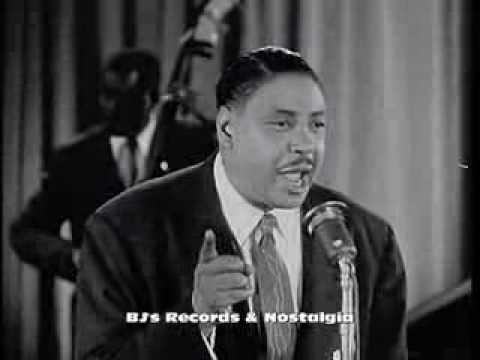
- Big Joe Turner & Bill Haley – "Shake, Rattle, and Roll"
- The birth of rock and roll
Big Joe Turner – Shake, Rattle, and Roll (1954)
Bill Haley and His Comets – Shake, Rattle, and Roll (1954)