History of Rock
Birth of Rock
One for the Money - for 9/22

The Birth of Rock and Roll – 1950s
- Members of the Silent Generation reaching teen years in the 1950s
- Pop culture geared towards teenagers and young adults
- Previously, post-HS teens were expected to immediately enter adulthood
- Present in film, music, and theatre
- Media consumption as an act of rebellion
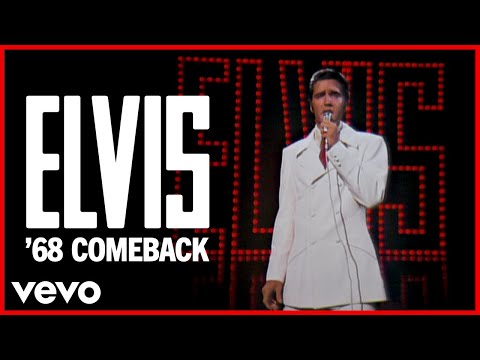
Fats Domino – Blueberry Hill (1956)
Listening Guide
Fats Domino, "Blueberry Hill" Imperial 5407
Words and music by Al Lewis, Larry Stock, and Vincent Rose, produced by Dave Bartholomew. Reached #1 on all three Billboard rhythm and blues charts (best sellers, jukeboxes, and radio) and #2 on the "Most Played in Jukeboxes" pop chart in 1956.
FORM: AABA form, with only the bridge and last verse repeated (BA).
TIME SIGNATURE: 12/8, with a characteristic easy, loping New Orleans feel. Each measure contains four beats, with each beat divided into three parts (compound). Note how the piano chords play these three parts of each beat, creating a rolling one & uh, two & uh, three & uh, four & uh rhythmic undercurrent.
INSTRUMENTATION: Piano, electric guitar, acoustic bass, drums, horns, and lead vocal.
| Timings | Section | Description |
|---|---|---|
| 0:00–0:12 | Introduction, 4 mm. | Piano featured as the New Orleans feel locks in. |
| 0:12–0:33 | A-Verse, 8 mm. | Vocal enters. Note the repeated chords high on the piano, and the rolling line in the bass and guitar below. Sustained horns support the vocal, "I found my thrill . . ." |
| 0:33–0:53 | A-Verse, 8 mm. | As before, "The moon stood still . . ." |
| 0:53–1:14 | B-Bridge, 8 mm. | New horn line enters to emphasize contrast, "The wind in the willow . . ." |
| 1:14–1:35 | A-Verse, 8 mm. | As before, "Though we're apart . . ." |
| 1:35–1:56 | B-Bridge, 8 mm. | Supporting horn line returns, "The wind in the willow . . ." |
| 1:56–2:18 | A-Verse, 8 mm. | As before, "Though we're apart . . ." |
Fats Domino - Blueberry Hill (1956)
Chuck Berry – 1950s
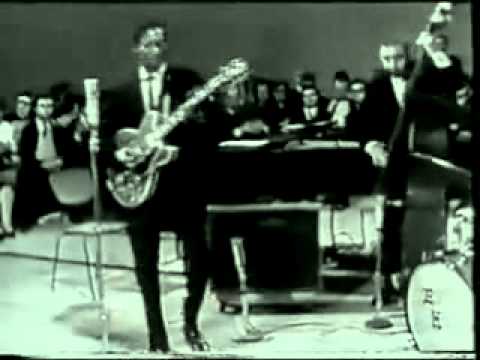
- From St. Louis, MO
- Known for stylized guitar playing, charisma, and writing most of his own music
- Caught his break in his late 20s with "Maybellene" in 1955
- Established star by the end of the 1950s
- Completed the transformation of R&B into a whole new genre of rock and roll
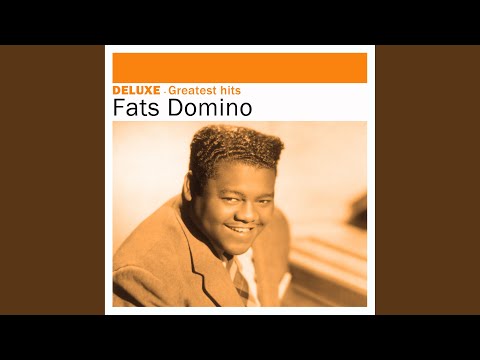
Chuck Berry – Johnny B. Goode (1958)
Listening Guide
Chuck Berry, "Johnny B. Goode" Chess 1691
Words and music by Chuck Berry, produced by Leonard and Phil Chess. Reached #8 on the Billboard "Top 100" chart and #5 on both rhythm and blues charts (jukeboxes and best sellers) in 1958.
FORM: Simple verse-chorus.
TIME SIGNATURE: 4/4, with a tendency to blend in a shuffle.
INSTRUMENTATION: Electric guitars, piano, acoustic bass, drums, and lead vocal. Note how the drums tend to shuffle, while the guitar stays stubbornly in simple time.
| Timings | Section | Description |
|---|---|---|
| 0:00–0:17 | Introduction, 12 mm. | Famous guitar intro using double stops, with stop time in first 4 mm. and band entering in m. 5. |
| 0:17–0:34 | Verse 1, 12 mm. | Vocal enters; note the constantly changing piano fills in the background throughout the song, "Deep down in Louisiana . . ." |
| 0:34–0:51 | Chorus, 12 mm. | Vocal punctuated by characteristic Chuck Berry guitar bursts, "Go, Go Johnny . . ." |
| 0:51–1:08 | Verse 2, 12 mm. | As before, note Berry's vocal sound—does it sound country influenced? "He used to carry . . ." |
| 1:08–1:26 | Chorus, 12 mm. | As before. |
| 1:26–1:43 | Instrumental Verse, 12 mm. | Guitar solo, more double stops, full of rhythmic drive but technically simple. |
| 1:43–2:00 | Instrumental Verse, 12 mm. | Guitar solo continues. |
| 2:00–2:18 | Verse 3, 12 mm. | As before, "His mother told him . . ." |
| 2:18–2:38 | Chorus, 12 mm. | As before, driving to ending. |
Chuck Berry – Johnny B. Goode (1958)
Rock and Roll – 1950s
- White artists consistently co-opting black music and culture
- Black artists not being compensated fairly
- Industry driven decisions to make rock and roll "safe"
Elvis Presley – 1950s
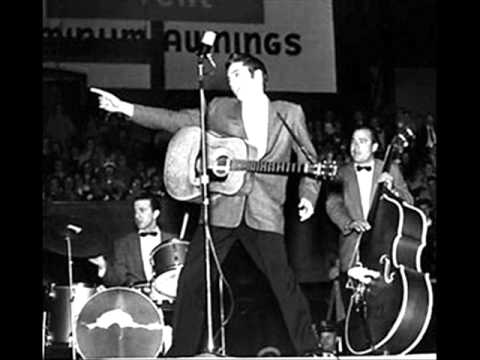
- Born in Tupelo, Mississippi and noted for performing black music around the region, coupled with dressing the part and dressing it well
- First artist to have hits on all three charts simultaneously
- Billboard Hot 100 (Pop)
- Billboard Country/Western
- Billboard R&B
- That's All Right (Mama) launched Sun Records in Memphis and Elvis Presley's career
Elvis Presley – 1950s
- Played the Grand Ole Opry in 1954 with a good set but bad audience reaction
- Billed on the Louisiana Hayride (Shreveport, LA version of GOO) a few weeks later as a country/western act but better received
- Played a 2nd set the same night that blew the roof of the place
- Broadcast on TV to the UK
- "Elvis has left the building"
Elvis Presley – 1950s
Elvis Presley – 1950s
- Seen as a huge contributor to the rebellious nature of rock and roll
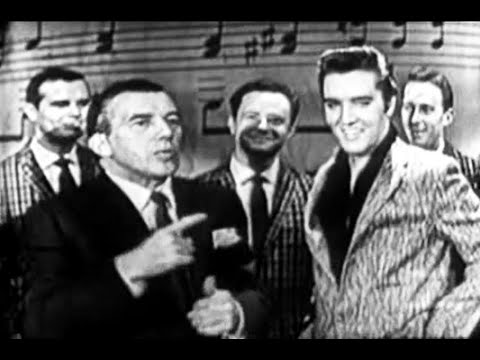
- Elvis Presley makes multiple appearances on Ed Sullivan reaffirmed this, until the last one...
- Elvis, shown from the waist up, calls his own shot to sing a gospel tune, and Ed Sullivan confirms Elvis' stature and character
- Ed Sullivan has wide reaching influence on public opinion and what is shown to the country
- Rock and roll culture changes
Elvis Presley – 1950s
Elvis Presley – 1950s
- Elvis largely seen amongst black performers as someone who embodied and loved black music and helped bring it to the public.
- B.B. King – "Elvis had everything. The looks, the talent, the rhythm. He was a blessing."
- James Brown – referred to him as "Brother Elvis" and "an American original"
- Chuck Berry, Little Richard, Fats Domino, Quincy Jones among many others often said that Elvis broke down all the racial barriers
Elvis Presley – 1950s
- Criticisms of Elvis largely revolved around economics and industry NOT the music or his legitimacy to showcase it
- Deeply spiritual person who loved and embodied gospel music
- Hound Dog regularly performed by Big Mama Thornton before it was an Elvis hit
- Rock and Roll fairly established before Elvis
- Industry driven problems!
Elvis Presley – 1950s
- After a decade long career all in acting, returns to music with the '68 Comeback Special
- Live music and pre-recorded segments
- Watched by 42% of American households
- Dubbed the "King of Rock and Roll", but he was so much more than that.
Elvis Presley – 1950s